
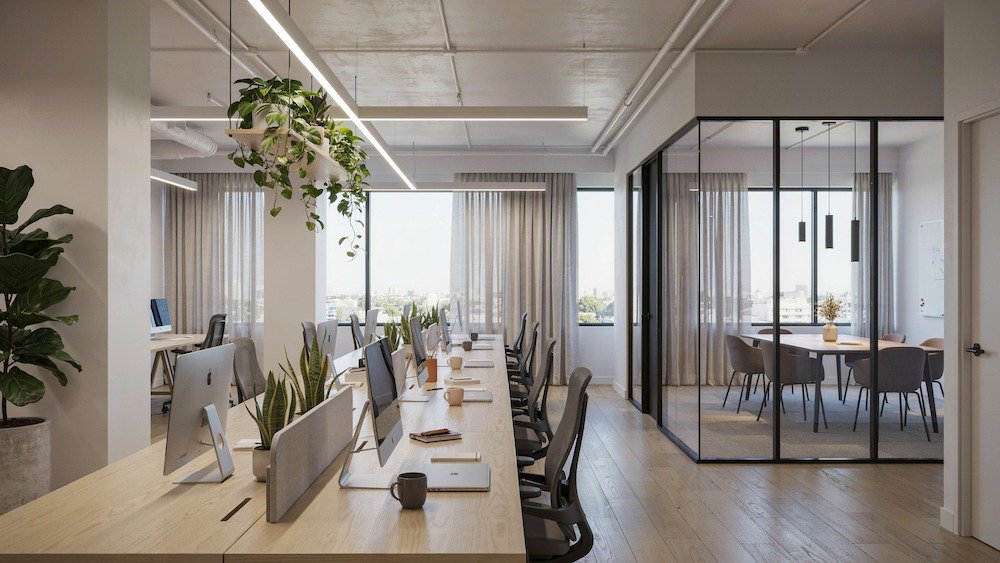
Setting up a new office is an exciting milestone for any startup, but it also brings a long list of practical decisions, and furniture is often underestimated among them. Founders and office managers have to balance functionality, employee comfort, office aesthetics, available space, and budget, often all at once.
Furniture chosen in the first few months tends to stay in use far longer than expected, which is why it helps to think beyond the current headcount. The right office furniture should support day-to-day operations while leaving room for the team to grow or reorganize. This article covers the furniture categories startups typically need, what to look for in each, and the planning questions worth answering before any purchase.
Why is the Right Office Furniture Important for Startups?
Office furniture shapes how a team actually works day to day. Well-chosen pieces create a functional, organized environment, support employee comfort through long working hours, and help a young company make efficient use of what is often limited office space. They also play a quiet role in first impressions, since a considered, professional environment reassures employees, clients, and visitors alike. For a startup, furniture decisions made today should still make sense when the team doubles, which helps avoid unnecessary purchases later and keeps the office from feeling cramped or half empty.
What Office Furniture Should Startups Prioritize?
A handful of categories cover most of what a startup needs in its first office. The right mix depends on team size, the nature of the work, and how much the space needs to flex.
Workstations and Office Desks
Desks are usually the first purchase, and the right configuration depends on team size and working style. A small team might do well with a compact bench-style workstation, while a fast-growing company often needs modular workstations that can be extended without buying an entirely new set. Space efficient workstations matter most in smaller offices in cities like Kochi or Bangalore, where every square foot counts.
Ergonomic Office Chairs
Employees sitting for long stretches need chairs that support them properly. Adjustable height, lumbar support, and breathable materials make a real difference over an eight or nine-hour workday, and a good chair costs far less than the fatigue and back pain a poor one causes. This is one area where it rarely pays to cut corners.
Read more : Types of Office Chairs: A Complete Guide to Choosing the Right One for Your Workspace
Storage Solutions
Cabinets, pedestals, and open shelving keep a small office from feeling cluttered as files and equipment accumulate. Under desk pedestals suit individual storage, while shared cabinets and shelving cover documents and supplies the whole team needs. Good storage planning also protects the floor space a growing startup will eventually need for more desks.
Meeting Room Furniture
Even a small startup needs somewhere for client calls, investor conversations, and internal discussions. A conference table sized to the room, paired with comfortable seating, is usually enough. Startups expecting rapid growth sometimes choose a modular table that can be extended rather than committing to a fixed size early on.
Reception Furniture
A reception area is often the first thing a visitor sees, so it carries more weight than its size suggests. A simple, well-designed desk and a couple of comfortable seats go a long way toward a professional first impression, even in a compact office.
Collaborative and Breakout Furniture
Not every conversation needs a formal meeting room. Informal seating, small tables, or a casual lounge corner give teams a place for quick discussions and brainstorming without booking a room, and this kind of flexible furniture often gets more daily use than the main conference table.
Cafeteria and Pantry Furniture
A functional break area with practical seating and sturdy tables gives employees somewhere to step away from their desks. It does not need to be elaborate, but it should be comfortable enough to actually be used.
Height-Adjustable Furniture
Height-adjustable desks are worth considering for startups that want to give employees more control over how they work through the day. They are not essential for every team, but where budget allows, they add a layer of flexibility that fixed desks cannot match.
What Should Startups Consider Before Buying Office Furniture?
Before placing an order, it helps to work through a few planning questions rather than buying piece by piece as needs come up.
- Available office space and floor layout
- Current team size and realistic growth plans over the next year or two
- The nature of the work and what different roles actually require
- How easily furniture can be reconfigured or moved as needs change
- Ergonomics and day-to-day comfort for employees
- Durability and the quality of materials used
- Budget, weighed against long-term value rather than upfront cost alone
- Office aesthetics and how furniture reflects the company’s identity
- Storage and cable management needs, especially in tech-heavy setups
- The possibility of future expansion or a workspace redesign
Working through these questions early tends to save both money and disruption later, since a layout planned around growth rarely needs to be undone.
Why Choose Customized Office Furniture for a Startup?
Customized office furniture is designed around a startup’s actual space and layout rather than fitted into it after the fact. It can accommodate different team sizes and departmental needs, help maximize available floor space, and let workstations, storage, desks, and other pieces work together as one coherent layout. Specific requirements such as cable management or integrated storage can be built in from the start, making the furniture easier to expand or reorganize as the company grows.
How Can Startups Create a Future-Ready Workspace?
A future-ready workspace usually comes down to a few consistent habits: choosing modular or reconfigurable furniture where it makes sense, planning workstations with future headcount in mind, and resisting the urge to overcrowd the office with furniture that will not be needed in six months. Flexible meeting and collaborative areas help the space adapt to how the team works, and investing in durable pieces upfront tends to cost less than replacing low-quality furniture every year or two. Customized solutions suit this kind of long-term planning well, since they can be adapted as the business changes rather than replaced outright.
Also read: Smart Desks for IT Offices: Boosting Productivity Through Ergonomic Design
Building a Flexible Office With Customised Furniture
Office furniture is rarely the most exciting decision a startup makes, but it has a lasting effect on how the team works and how the company presents itself. Prioritizing functionality, comfort, flexibility, durability, and efficient use of space, while planning ahead for growth, sets a workspace up to serve the business well beyond its first year. For startups in Kerala and Bangalore looking to get this right from the start, Benchy designs and manufactures customized office furniture, including workstations, ergonomic chairs, storage, meeting rooms, reception, cafeterias, and collaborative furniture, built around each company’s space, team, and way of working.


[…] Read more: Office Furniture for Startups: What to Prioritize When Setting Up a New Workspace […]